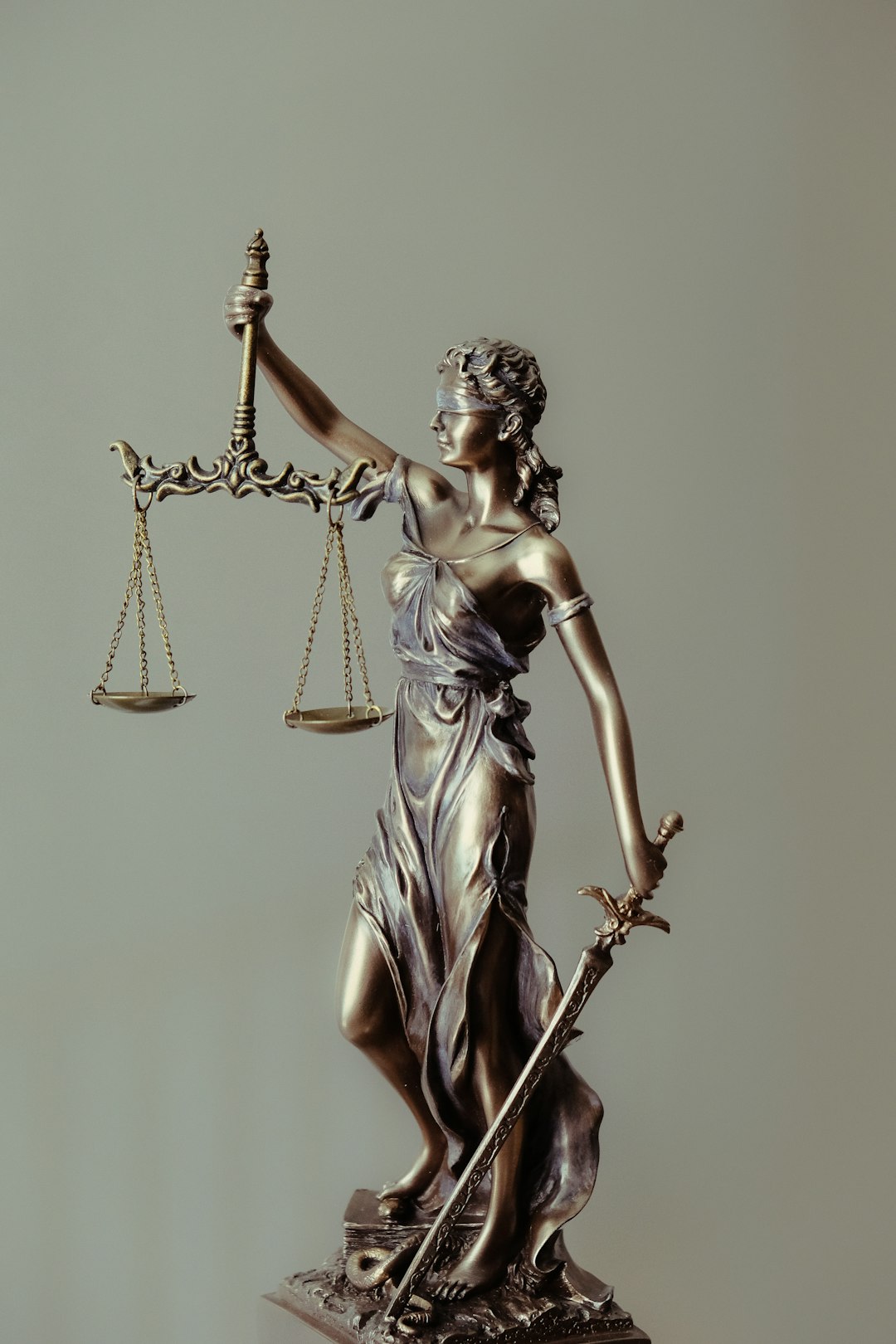
New Mexico's debt collection practices are governed by strict rules prioritizing consumer protection. Key aspects include:
- Good Faith Determination: Collectors must verify debt validity before pursuing action, avoiding aggressive tactics, and threatening legal action responsibly.
- Consumer Rights: Debtors can dispute debts, requiring valid documentation from collectors, and have specific communication guidelines.
- Legal Compliance: A lawyer for debt collector in New Mexico ensures adherence to rules, provides strategic advice, drafts valid notices, and represents in disputes, fostering ethical practices.
- Protection Framework: The state offers robust protections, including dispute resolution mechanisms and strict guidelines on behavior, communication, and record-keeping.
The fair and transparent conduct of debt collection is a critical aspect of financial regulation, particularly as New Mexico's economy continues to evolve. However, navigating the complex legal landscape surrounding debt collection can pose significant challenges for both consumers and lawyers for debt collectors in New Mexico. One such intricate issue is the good faith determination rule, which demands meticulous adherence to ensure compliance. This article delves into the intricacies of this rule, offering a comprehensive guide for understanding and implementing its provisions effectively. By exploring real-world scenarios, we aim to equip readers with valuable insights, fostering informed decision-making in this increasingly regulated domain.
Understanding New Mexico's Debt Collection Laws

New Mexico has established a robust framework for debt collection practices, prioritizing consumer protection while ensuring fair procedures for both creditors and debtors. At the heart of this system lies the state's "Good Faith Determination" rule, which dictates how debt collectors can pursue outstanding debts. This rule demands that collectors make a reasonable effort to verify the validity of a debt before engaging in any collection activities, including contacting the debtor or reporting the debt as due.
Debt collectors operating within New Mexico must adhere to strict protocols to remain compliant with these laws. They are prohibited from employing aggressive or harassing tactics, such as repeatedly calling debtors or using abusive or misleading language. Additionally, they cannot threaten legal action unless they intend to pursue it and have a legitimate basis for doing so. This creates a transparent environment where debtors can assert their rights while collectors maintain the ability to recover debts fairly. For instance, if a debtor disputes a debt, the collector must provide specific documentation validating the claim, ensuring a fair and transparent process.
Seeking guidance from a lawyer specializing in New Mexico's debt collection laws is advisable for both parties. Legal experts can navigate the nuances of these regulations, ensuring collectors understand their rights and responsibilities while guiding debtors on how to protect themselves from unfair practices. This proactive approach fosters a more harmonious and effective debt resolution process, promoting a balanced relationship between creditors and debtors under the state's legal framework.
The Role of a Lawyer for Debt Collectors

In New Mexico, the role of a lawyer for debt collectors is pivotal in ensuring compliance with the state's good faith determination rule. This regulation mandates that debt collectors make reasonable efforts to verify the validity of a debt before initiating legal proceedings. A lawyer specializing in this area guides debt collectors through the intricate legal landscape, advising on best practices to avoid violations that could lead to costly lawsuits and damaged reputations. For instance, they assist in drafting valid notices, ensuring the accuracy of information, and providing strategic counsel during negotiations with debtors.
The expertise of a New Mexico lawyer for debt collectors extends to interpreting the state's unique laws and regulations. They help navigate the complexities of consumer protection acts, fair debt collection practices, and other relevant statutes. This is particularly crucial given that non-compliance can result in substantial penalties and negative impacts on collector operations. For example, a 2021 report by the New Mexico Attorney General's Office highlighted numerous violations related to debt collection practices, underscoring the need for professionals who understand these nuances.
Moreover, lawyers play a vital role in representing debt collectors in legal disputes, offering strategic defense mechanisms against potential lawsuits. They help draft robust contracts and policies that safeguard interests while adhering to ethical standards. By leveraging their knowledge of both law and industry trends, these legal experts enable debt collectors to maintain high standards of professionalism and integrity. This proactive approach not only minimizes risks but also fosters a culture of responsible debt collection practices across the state.
Good Faith Determination: A Comprehensive Guide

The New Mexico debt collection industry operates under a stringent Good Faith Determination (GFD) rule, designed to protect consumers from unfair practices. This comprehensive guide delves into the intricacies of GFD, offering practical insights for both debt collectors and those seeking representation from a lawyer for debt collector laws in New Mexico. Central to this rule is the requirement that debt collectors make good-faith efforts to verify the validity of debts before initiating collection activities.
A key component of GFD involves verifying the identity of the debtor and ensuring the debt exists. Debt collectors must obtain and review documentation supporting the debt, such as invoices, contracts, or account statements. For instance, a collection agency cannot merely assert a debt is owed; they must present concrete evidence to substantiate their claim. Furthermore, GFD dictates that collectors refrain from engaging in deceptive or misleading behavior, including misrepresenting the amount due or the consequences of non-payment. This principle is vital to maintaining trust and ensuring fairness throughout the debt collection process.
To comply with New Mexico's GFD rules, debt collectors should adopt robust internal procedures for debt verification. Regular training sessions for staff can help maintain a deep understanding of these protocols. Moreover, consulting with a lawyer specializing in debt collector laws in New Mexico is advisable to stay abreast of evolving regulations and protect against potential legal pitfalls. By adhering strictly to GFD guidelines, both collectors and debtors can navigate the process with confidence, ensuring that debt collection activities remain ethical and just.
Consumer Rights and Protections in New Mexico

New Mexico has established a robust framework to protect consumer rights in debt collection processes. The state's Good Faith Determination Rule is a cornerstone of this protection, mandating that debt collectors make fair and accurate assessments before initiating legal action. This rule ensures that consumers are not subjected to harassment or unfair practices during the collection process. One crucial aspect is the requirement for debt collectors to verify the validity of the debt, ensuring it belongs to the intended individual and is indeed owed. Failure to meet these standards can result in significant penalties for the collector, including having the case dismissed or substantial damages awarded to the consumer.
Consumers in New Mexico are further safeguarded by the state's stringent regulations on communication methods and frequency. Debt collectors must adhere to reasonable hours for contacting individuals, typically between 8 am and 9 pm, Monday through Saturday. Any violation of these guidelines can prompt consumers to seek legal recourse, especially if a lawyer for debt collector in New Mexico is engaged. It's advisable for both parties to familiarize themselves with the rules to avoid misunderstandings and ensure a fair, transparent process.
For instance, a consumer who feels their rights have been infringed upon can file a complaint with the New Mexico Department of Transportation, which oversees debt collection practices. This agency plays a vital role in mediating disputes and ensuring collectors remain accountable. By empowering consumers with knowledge about their rights and providing clear guidelines for collectors, New Mexico fosters a balanced debt collection environment that prioritizes fairness.
Navigating the Legal Process: Tips for Debt Collectors

Navigating the legal process of debt collection in New Mexico requires a deep understanding of the state's good faith determination rule, which sets a high bar for collectors. This rule demands that debt collectors act with honesty, fairness, and transparency at every step. A lawyer for debt collector specializing in New Mexico laws can offer invaluable guidance on adhering to these standards. Key considerations include verifying the validity of debts, providing clear communication about payment terms, and respecting consumer rights. For instance, collectors must provide consumers with specific information about the debt amount, the name of the original creditor, and the date the debt was incurred within 30 days of initial contact.
Practical insights suggest that maintaining detailed records is crucial for compliance. Collectors should document every interaction, ensuring transparency throughout the process. This includes preserving evidence of validation efforts, payment agreements, and any disputes raised by consumers. Moreover, understanding when to cease collection efforts is essential; New Mexico law mandates that collectors stop pursuing a debt if they cannot provide evidence of its validity after three years from the date it was originally due.
Expert perspective emphasizes the importance of proactive measures to avoid legal issues. Regularly reviewing and updating internal policies to align with the latest regulations can help prevent missteps. Debt collectors should also stay informed about consumer protection laws, such as those regarding debt reporting and collection practices, to ensure fair treatment. For instance, a lawyer for debt collector in New Mexico might advise on strategies to avoid false or misleading communications, ensuring compliance while maintaining effective collection efforts.